
Old Christmas: Why Some Folks in Appalachia Kept It a Little Longer

In much of Appalachia, Christmas didn’t always end when the wrapping paper was swept up. For some families, the real celebration waited quietly until January 6. They called it Old Christmas.
Old Christmas traces back to a calendar change most folks never think about now. In 1752, Britain and its colonies switched from the Julian calendar to the Gregorian one. That shift moved the calendar ahead eleven days. While the official Christmas became December 25, many rural communities simply kept celebrating when they always had. That old date fell on what we now know as January 6.
Up in the hollers and along the ridges, calendars weren’t much concern anyway. Life ran by seasons, weather, and habit. If your people had always marked Christmas after the New Year, there wasn’t much reason to stop just because a government said so.
Over time, Old Christmas settled right alongside another long-held tradition: the Twelve

Days of Christmas. Those twelve days begin on December 25 and carry through to January 6, also known as Epiphany. For many Appalachian families, that made perfect sense. Christmas began on Christmas Day, but it didn’t truly feel finished until Old Christmas had come and gone.
Because of that, Old Christmas was often quieter than December 25. Trees stayed up. Visiting continued. Some families shared a simple meal or went to church. Others just sat together, letting the season close out slow instead of all at once.
There were old beliefs stitched into the day too. Folks said animals could talk at midnight. Bad luck followed anyone who worked or took decorations down too soon. Whether believed or not, it gave people a reason to rest, something mountain families didn’t often do without a good excuse.

Why do some still keep Old Christmas today? Part of it is memory. Part of it is faith. And part of it is an Appalachian way of letting things have their proper time. Old Christmas leaves room after the rush. It gives the season a soft ending instead of a hard stop.
Along with the quieter tone of Old Christmas came old sayings that lingered more than they were explained. Some folks said the night itself was different somehow, that the world went still for a moment. Others remembered being told not to rush, not to work, and not to disturb the season before it had fully passed. Whether those things were believed outright or simply remembered, they gave Old Christmas a sense of hush and reverence that December 25 didn’t always hold.
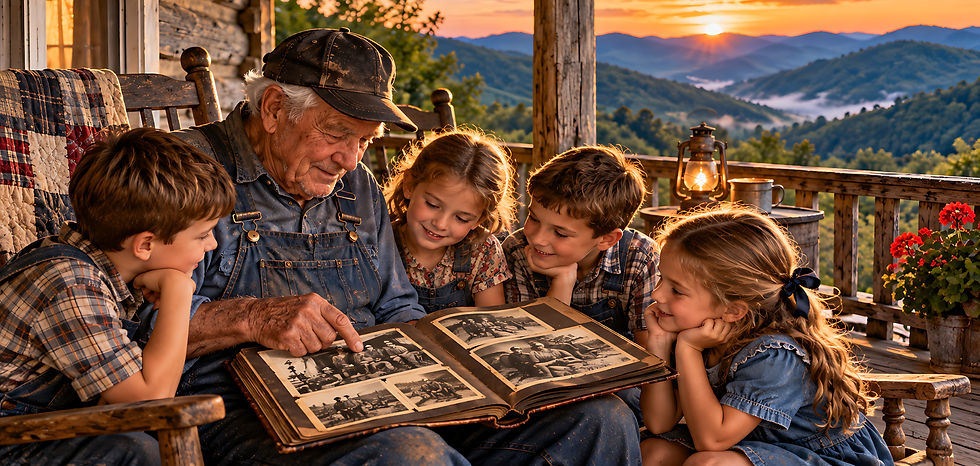
Around here, traditions don’t disappear just because they’re old. They linger. They adapt. They sit on the porch and wait to be remembered.
Does your family still celebrate Old Christmas? comment below or share your story HERE


Comments